Monuments
MUSEUMS
MUSIC HALLS
THEATERS
SELECT CATEGORY
SELECT LOCATION
Amsterdam Centraal Station is a masterpiece of Dutch design and a bustling gateway to the city. Designed by Pierre Cuypers, the architect behind the Rijksmuseum, and completed in 1889, its striking neo-Renaissance architecture is both functional and monumental. Today, it is a bustling, modern transit hub, handling over 250,000 passengers daily. In addition to its train services, Amsterdam Central Station is also a major point for trams, buses, and ferries, making it a central point of access for both locals and visitors.
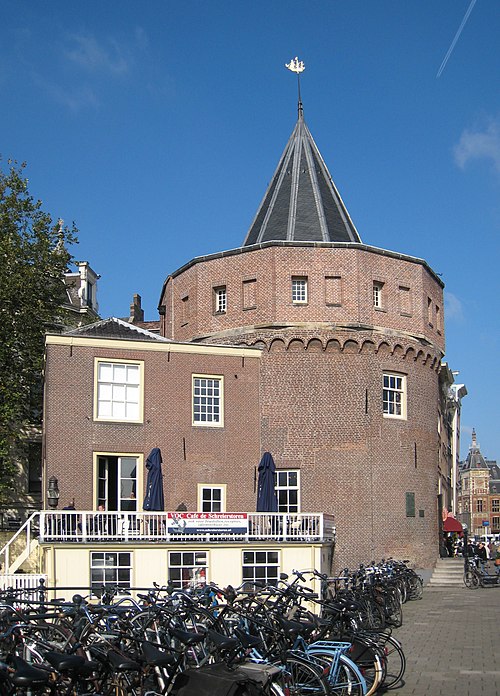
The Schreierstoren, or "Weepers' Tower," is one of Amsterdam’s oldest surviving structures, built in 1487 as part of the city’s medieval defenses. Its name is said to derive from the tearful goodbyes of sailors’ loved ones who gathered here before long sea voyages.
Built in the 17th century, it was originally established to serve the Lutheran community in a predominantly Calvinist city. The church's striking architecture features a blend of Dutch Renaissance and Baroque styles, with a beautiful interior that includes impressive wooden galleries and a splendid organ.
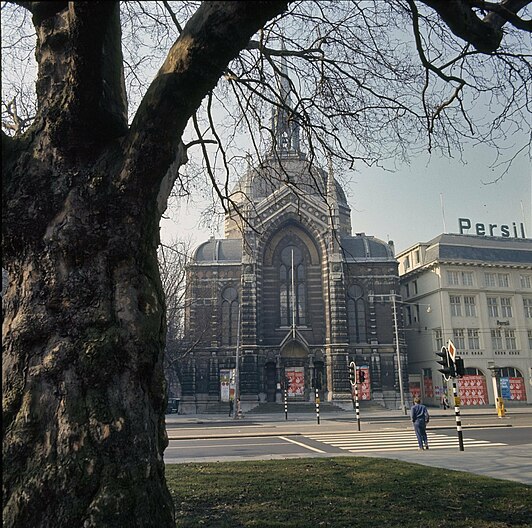
The Koepelkerk, or Koepel Church, is a remarkable landmark in Amsterdam, known for its distinctive domed architecture. Located in the district of Oud-West, the church was completed in 1885 and designed by architect H. M. A. Schouten. Its most striking feature is its large, copper-covered dome, which gives the church its name.
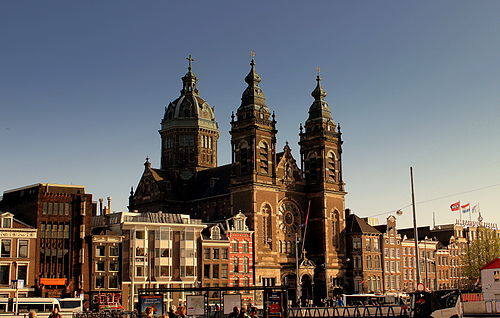
The Basilica of St. Nicholas (Sint-Nicolaasbasiliek) is a stunning Catholic church in Amsterdam, located near Centraal Station. Built in 1887, its Neo-Baroque and Neo-Renaissance architecture, marked by twin towers and a grand central dome, makes it an iconic feature of the city’s skyline.
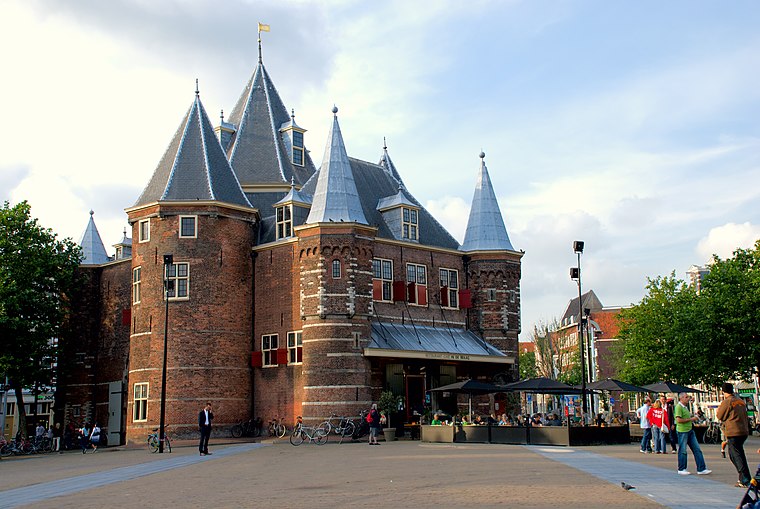
De Waag, one of Amsterdam’s oldest buildings, is a medieval gem steeped in history. Originally constructed in 1488 as a city gate, it later became a weigh house and a hub of civic activity.
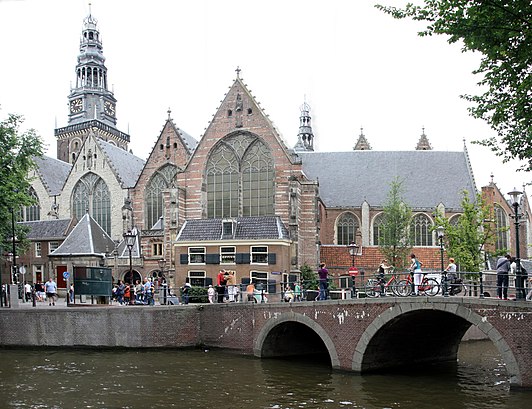
The Oude Kerk, or Old Church, is the oldest and one of the most significant landmarks in Amsterdam, dating back to 1306. Situated in the heart of the Red Light District, this Gothic-style church boasts a stunning wooden vaulted ceiling, intricate stained glass windows, and a rich history that spans centuries.
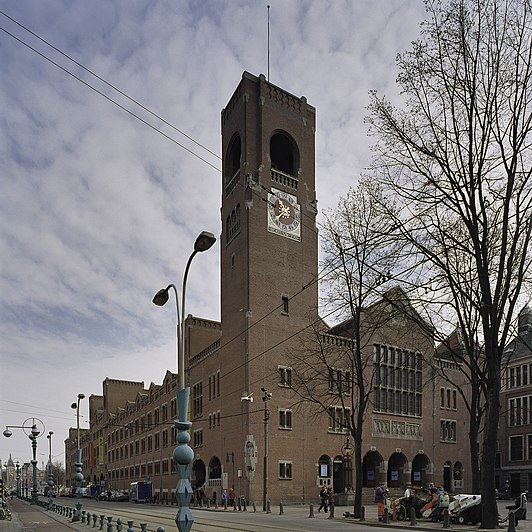
The Beurs van Berlage is a striking example of early 20th-century architecture in Amsterdam, designed by the renowned Dutch architect Hendrik Petrus Berlage. Completed in 1903, this former stock exchange building is a masterpiece of Dutch Rationalism, blending elements of medieval and modernist styles.
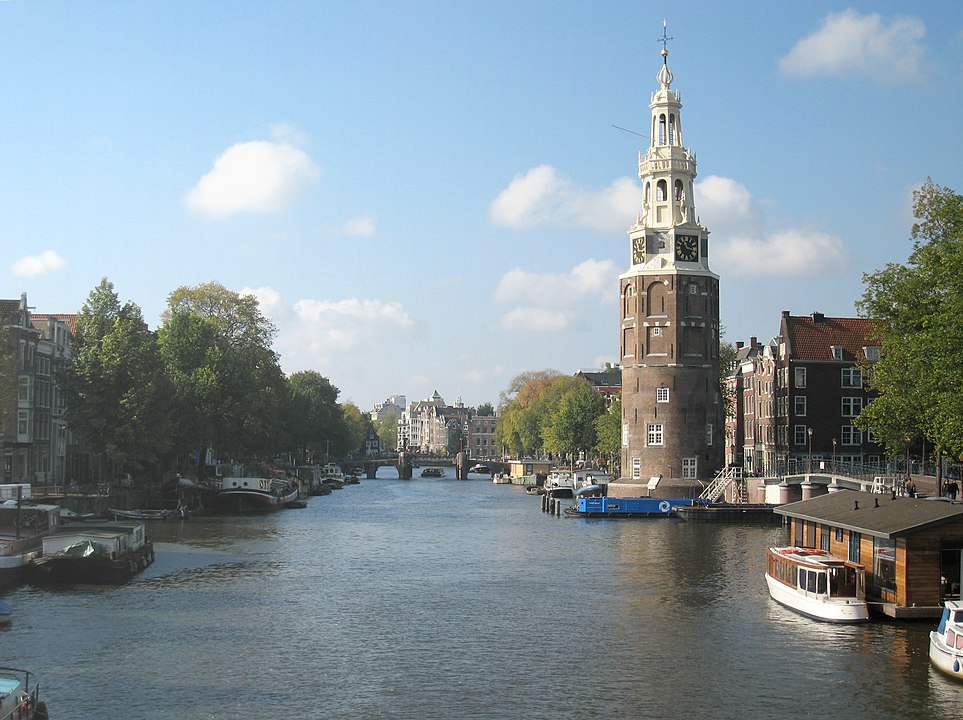
The Montelbaans Tower is a historic tower located along the Amstel River in Amsterdam, built in the early 16th century. Originally part of the city’s defensive wall, the tower was constructed to protect the eastern approach to the city.
The Passenger Terminal Amsterdam (PTA) is a modern and well-equipped facility located at the heart of Amsterdam's waterfront. Serving as a major hub for cruise ships, the terminal offers a seamless experience for passengers, with easy access to the city center, just a short distance away. The terminal features amenities such as baggage handling, customs services, and comfortable waiting areas, while also providing stunning views of the IJ River.
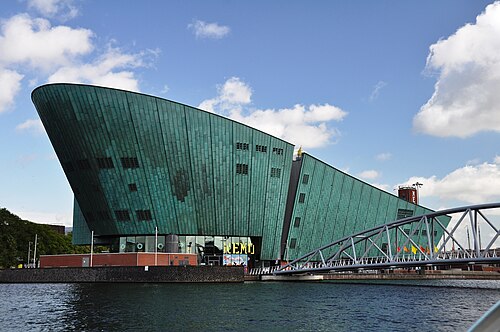
NEMO Science Museum in Amsterdam is an interactive science and technology museum that makes learning fun for visitors of all ages. Housed in a striking, green building designed by architect Renzo Piano, NEMO offers hands-on exhibits that cover a wide range of scientific topics, including physics, biology, engineering, and technology.
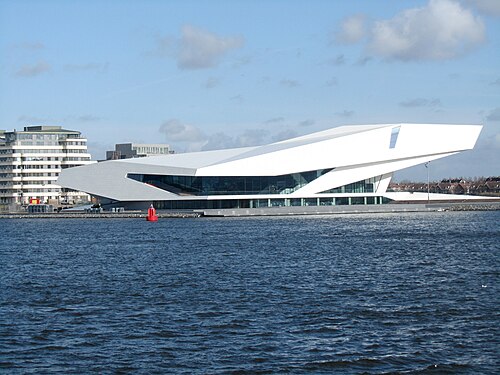
The Eye Film Museum in Amsterdam is a modern cinema and museum dedicated to film and visual culture. Located on the banks of the IJ River, the museum’s striking, futuristic architecture makes it a landmark in the city. The Eye Film Museum hosts a wide range of activities, including film screenings, exhibitions, and retrospectives, showcasing both classic and contemporary films from around the world.

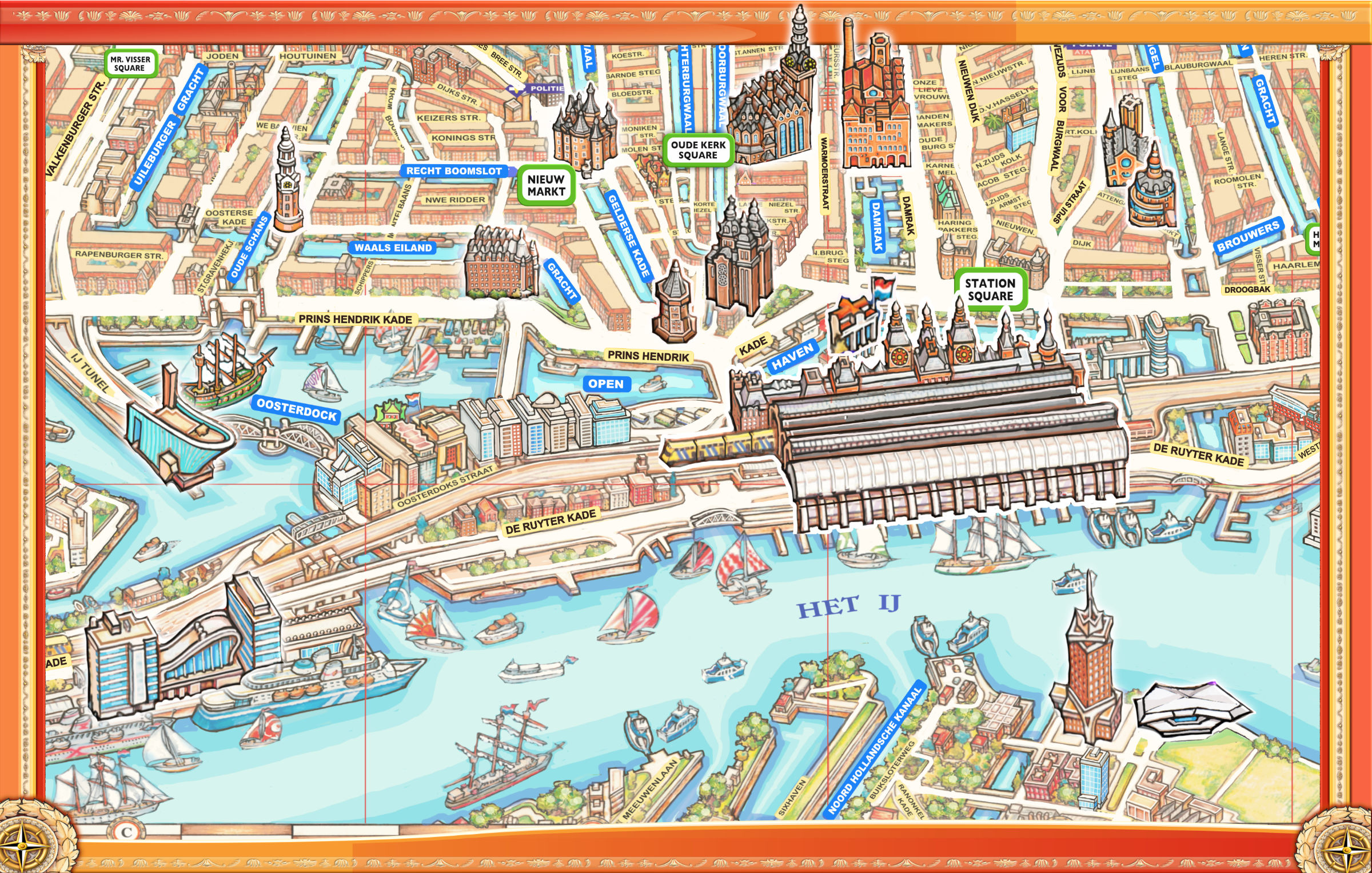
The Amsterdam Centraal Station area and Het IJ waterfront form one of the city’s most dynamic and visually striking districts. Located at the northern edge of Amsterdam’s historic centre, the area developed around the city’s main railway station, an iconic Neo-Renaissance landmark completed in 1889 and designed by architect Pierre Cuypers. Directly behind the station lies Het IJ, the vast waterfront that once connected Amsterdam to the Zuiderzee and played a crucial role in the city’s maritime and trading history.

Today, the area combines historic architecture with modern urban development, featuring ferries crossing to Amsterdam Noord, contemporary cultural venues such as the EYE Film Museum and A’DAM Tower, waterfront promenades, restaurants, and lively public spaces. Blending maritime heritage with modern city life, the Centraal Station and Het IJ district serves as both the main gateway to Amsterdam and one of its most vibrant cultural hubs.

ΕΓΓΡΑΦΗ ΣΤΗΝ ΠΛΑΤΦΟΡΜΑ
TN_LOGOTEXT_2023 Maps © 2026 TerraNaviga.com
imb_logo_23 Development © 2026 imb.gr
COPYRIGHT / INTELLECTUAL PROPERTY (IP) NOTICE: All content, including maps, illustrations, designs, and related materials, constitutes the exclusive intellectual property of Epameinondas Kaiafas Terra Naviga and is protected under Greek and international copyright and intellectual property laws. Any unauthorised use, reproduction, distribution, or adaptation of these materials without express written consent is strictly prohibited. Terra Naviga reserves the right to take full legal action against any infringement, including claims for financial compensation and prosecution under applicable laws.
INFO
SELECT CATEGORY
CHOOSE ITEM
- MUSEUMS
HOVER OVER ICON
LINK TO OFFICIAL WEBSITE