Monuments
MUSEUMS
MUSIC HALLS
THEATERS
CINEMA
SELECT CATEGORY
SELECT LOCATION
The Munttoren, or Mint Tower, is a historic landmark in Amsterdam that gracefully combines medieval charm with Renaissance flair. Originally part of the city’s medieval walls, it was reconstructed in the 17th century after a fire, gaining its elegant octagonal tower and distinctive clock.
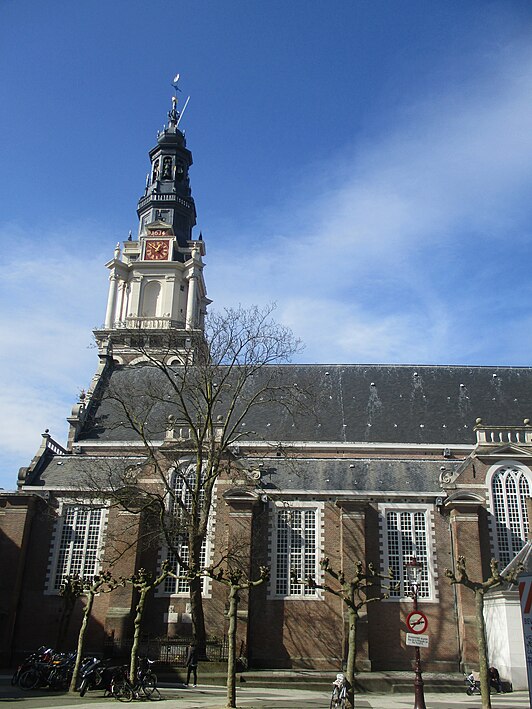
The Zuiderkerk, or Southern Church, is one of Amsterdam’s most iconic landmarks, built in the early 17th century. Designed by architect Pieter Post, this Protestant church is known for its elegant Renaissance-style architecture and distinctive tower, which was once the tallest in the city.
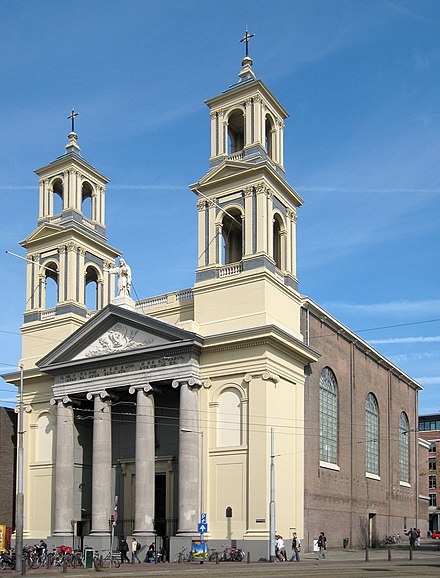
The Moses and Aaron Church (Moses en Aäronkerk) is a beautiful 17th-century Baroque-style church located in Amsterdam’s Jewish Quarter. Originally built for the Sephardic Jewish community, it stands as a testament to the city’s rich Jewish history.
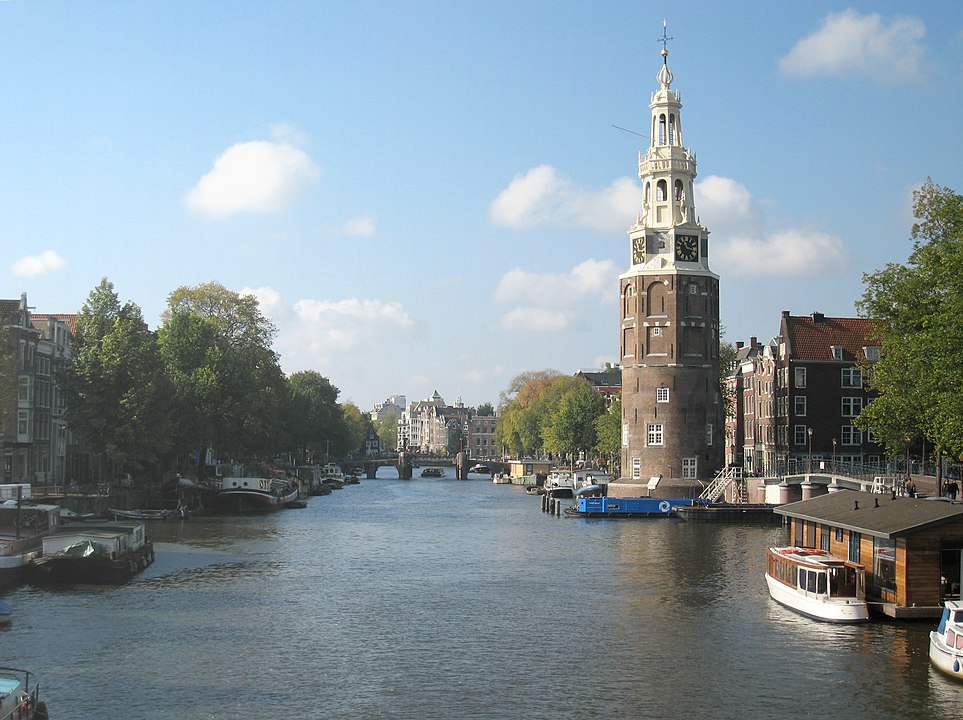
The Montelbaans Tower is a historic tower located along the Amstel River in Amsterdam, built in the early 16th century. Originally part of the city’s defensive wall, the tower was constructed to protect the eastern approach to the city.
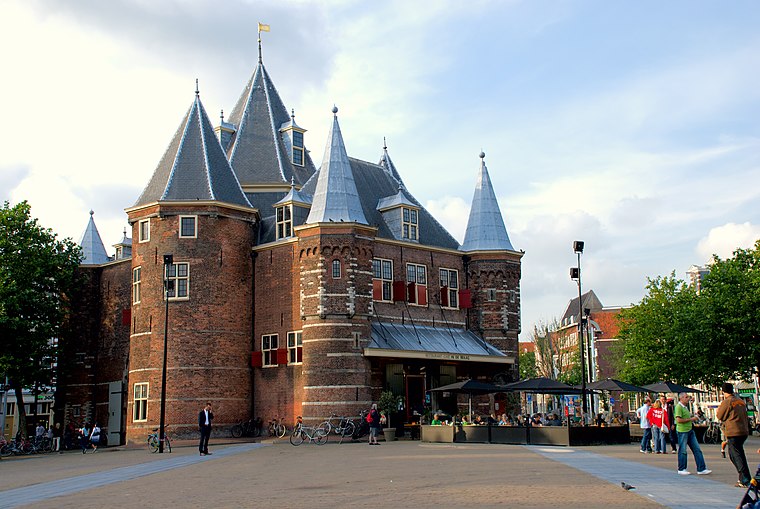
De Waag, one of Amsterdam’s oldest buildings, is a medieval gem steeped in history. Originally constructed in 1488 as a city gate, it later became a weigh house and a hub of civic activity.
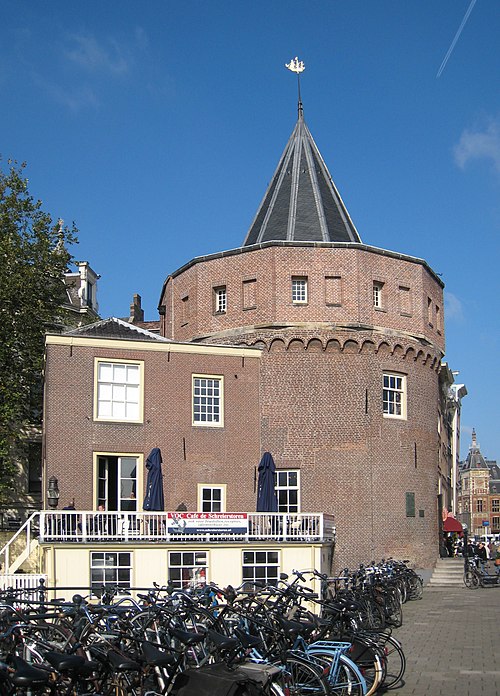
The Schreierstoren, or "Weepers' Tower," is one of Amsterdam’s oldest surviving structures, built in 1487 as part of the city’s medieval defenses. Its name is said to derive from the tearful goodbyes of sailors’ loved ones who gathered here before long sea voyages.
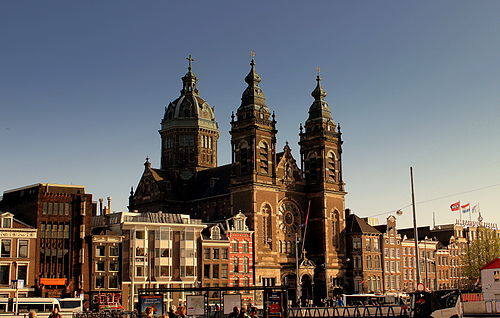
The Basilica of St. Nicholas (Sint-Nicolaasbasiliek) is a stunning Catholic church in Amsterdam, located near Centraal Station. Built in 1887, its Neo-Baroque and Neo-Renaissance architecture, marked by twin towers and a grand central dome, makes it an iconic feature of the city’s skyline.
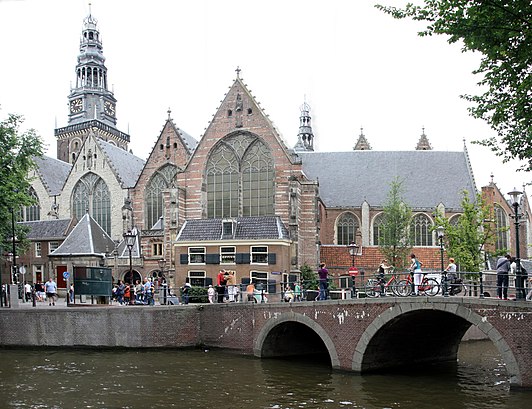
The Oude Kerk, or Old Church, is the oldest and one of the most significant landmarks in Amsterdam, dating back to 1306. Situated in the heart of the Red Light District, this Gothic-style church boasts a stunning wooden vaulted ceiling, intricate stained glass windows, and a rich history that spans centuries.
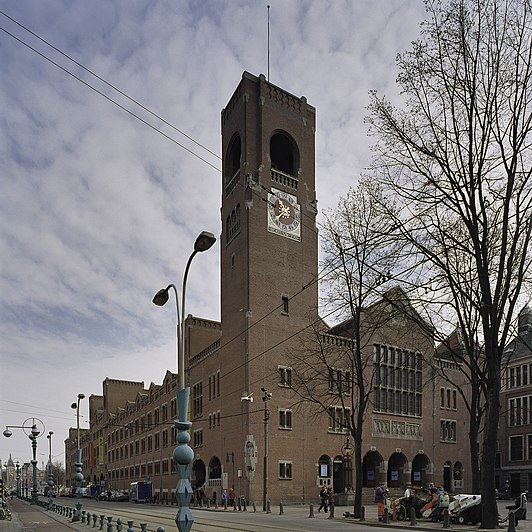
The Beurs van Berlage is a striking example of early 20th-century architecture in Amsterdam, designed by the renowned Dutch architect Hendrik Petrus Berlage. Completed in 1903, this former stock exchange building is a masterpiece of Dutch Rationalism, blending elements of medieval and modernist styles.
Amsterdam Centraal Station is a masterpiece of Dutch design and a bustling gateway to the city. Designed by Pierre Cuypers, the architect behind the Rijksmuseum, and completed in 1889, its striking neo-Renaissance architecture is both functional and monumental.
The Nieuwe Kerk (New Church) is a striking Gothic landmark in Amsterdam, located on Dam Square. Completed in the 15th century, it is renowned for its impressive architecture, featuring a soaring spire and detailed façade. Though named "New," it predates many other churches in the city.
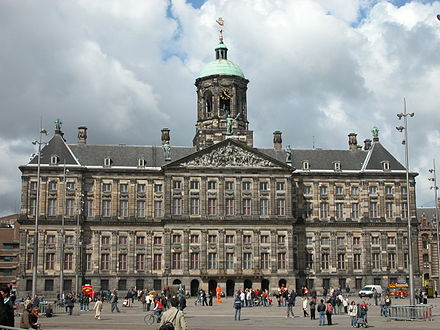
The Koninklijk Paleis (Royal Palace) on Dam Square is a stunning example of 17th-century Dutch Classicism. Originally built as a city hall in the Dutch Golden Age, it was later transformed into a royal residence. Designed by architect Jacob van Campen, its grand architecture features elegant facades, marble interiors, and intricate decorations, showcasing the wealth and power of Amsterdam during its peak.
The Westerkerk, completed in 1631, is Amsterdam’s largest Protestant church and a stunning example of Renaissance architecture. Its towering 85-meter spire is one of the city’s most recognizable features, offering sweeping views of the surrounding area. The church is notable for its spacious interior, beautiful woodwork, and historical significance as the burial site of painter Rembrandt.
Built in the 17th century, it was originally established to serve the Lutheran community in a predominantly Calvinist city. The church's striking architecture features a blend of Dutch Renaissance and Baroque styles, with a beautiful interior that includes impressive wooden galleries and a splendid organ.
The Koepelkerk, or Koepel Church, is a remarkable landmark in Amsterdam, known for its distinctive domed architecture. Located in the district of Oud-West, the church was completed in 1885 and designed by architect H. M. A. Schouten. Its most striking feature is its large, copper-covered dome, which gives the church its name.
The Agnietenkapel, or Agnieten Chapel, is a historic building in Amsterdam that dates back to the late 15th century. Originally part of a convent dedicated to Saint Agnes, the chapel is a beautiful example of Gothic architecture. Over the centuries, it has served various purposes, including housing the Athenaeum Illustre, the precursor to the University of Amsterdam.
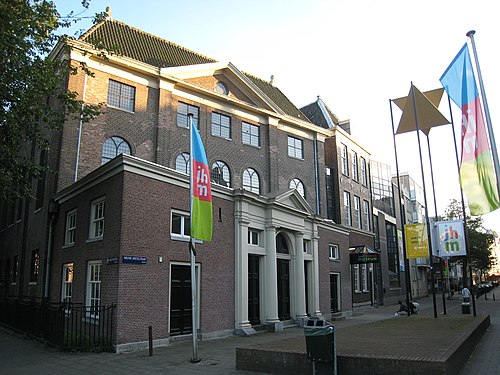
The Jewish Museum in Amsterdam Housed in four historical buildings, features art, artefacts, and exhibitions that highlight Jewish traditions, religious practices, and the impact of the Holocaust. A key highlight is the nearby Portuguese Synagogue, with its stunning Baroque architecture.
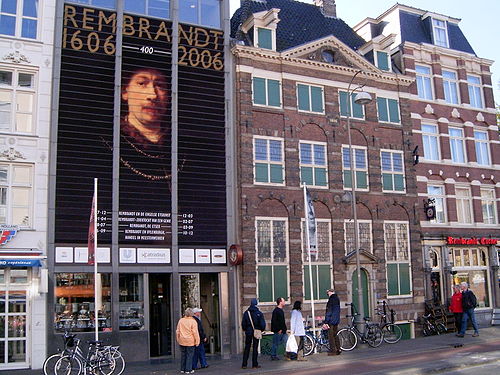
The Rembrandt House Museum in Amsterdam is the former home and studio of the iconic Dutch painter Rembrandt van Rijn. Located in the heart of the city, the museum offers a glimpse into the artist’s life during his most productive years. It features an extensive collection of his etchings, personal artifacts, and artworks by Rembrandt and his contemporaries.
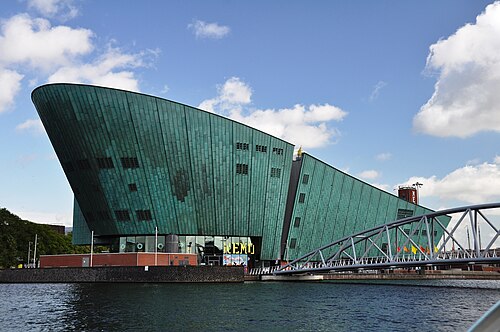
NEMO Science Museum in Amsterdam is an interactive science and technology museum that makes learning fun for visitors of all ages. Housed in a striking, green building designed by architect Renzo Piano, NEMO offers hands-on exhibits that cover a wide range of scientific topics, including physics, biology, engineering, and technology.
The Allard Pierson Museum in Amsterdam is dedicated to the history of ancient civilizations. It is the city’s primary museum for archaeology, housing a remarkable collection of artifacts from ancient Egypt, Greece, Rome, and the Near East. The museum is named after Allard Pierson, a Dutch scholar and collector who contributed greatly to the preservation and study of ancient artifacts.
Madame Tussauds Amsterdam is a popular wax museum located in the heart of the city, on the Dam Square. Part of the globally recognised Madame Tussauds chain, the museum features lifelike wax figures of celebrities, historical figures, and cultural icons from around the world.
The Amsterdam Historic Museum (Amsterdams Historisch Museum) is dedicated to the rich history of Amsterdam, showcasing the city’s evolution from its humble beginnings to its rise as a global centre of commerce, art, and culture. Located in a beautiful 16th-century building, the museum presents a diverse collection of artefacts, paintings, maps, and personal stories that highlight the key moments in Amsterdam’s history.
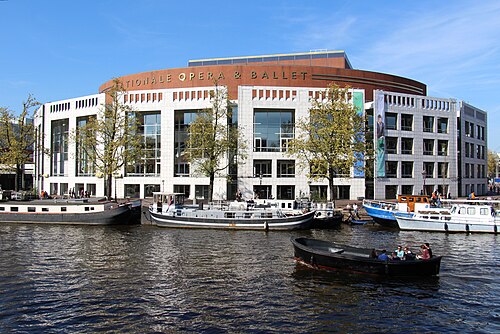
The Amsterdam Stopera is a distinctive building in the heart of Amsterdam that combines the Dutch National Opera & Ballet and the City Hall. Opened in 1986, its name is a blend of "stadhuis" (city hall) and “opera."
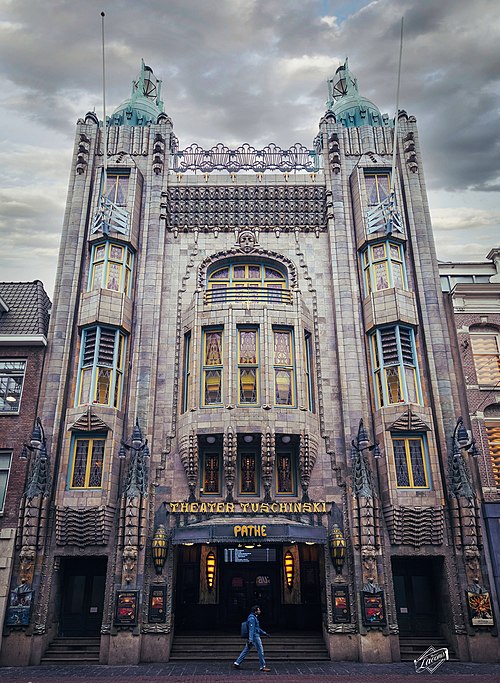
The Tuschinski Theater in Amsterdam is a stunning Art Deco masterpiece, known for its opulent design and rich history. Opened in 1921, it was created by the visionary Jewish entrepreneur Abraham Tuschinski, who aimed to bring a unique cinematic experience to the city. The theater’s lavish interior features a blend of Oriental, Moorish, and Art Nouveau influences, with intricate details, ornate chandeliers, and a striking auditorium that transports visitors back to the golden age of cinema.

The Red Light District, locally known as De Wallen, is one of Amsterdam’s oldest and most famous neighbourhoods, located in the historic heart of the city between Dam Square and Central Station. Characterised by its narrow canals, medieval alleyways, and centuries-old merchant houses, the area developed around the city’s original harbour and trading quarter.Today, it is internationally known for its illuminated red-lit windows, nightlife, cafés, bars, and vibrant atmosphere, attracting visitors from around the world.

Beyond its modern reputation, De Wallen is also rich in history and architecture, home to landmarks such as the Oude Kerk, Amsterdam’s oldest church dating back to the 13th century. The district’s unique combination of historic charm, canals, cultural diversity, and lively entertainment makes it one of the city’s most distinctive and visited areas.

ΕΓΓΡΑΦΗ ΣΤΗΝ ΠΛΑΤΦΟΡΜΑ
TN_LOGOTEXT_2023 Maps © 2026 TerraNaviga.com
imb_logo_23 Development © 2026 imb.gr
COPYRIGHT / INTELLECTUAL PROPERTY (IP) NOTICE: All content, including maps, illustrations, designs, and related materials, constitutes the exclusive intellectual property of Epameinondas Kaiafas Terra Naviga and is protected under Greek and international copyright and intellectual property laws. Any unauthorised use, reproduction, distribution, or adaptation of these materials without express written consent is strictly prohibited. Terra Naviga reserves the right to take full legal action against any infringement, including claims for financial compensation and prosecution under applicable laws.
INFO
SELECT CATEGORY
CHOOSE ITEM
- MUSEUMS
HOVER OVER ICON
LINK TO OFFICIAL WEBSITE