Monuments
MUSEUMS
SELECT CATEGORY
SELECT LOCATION
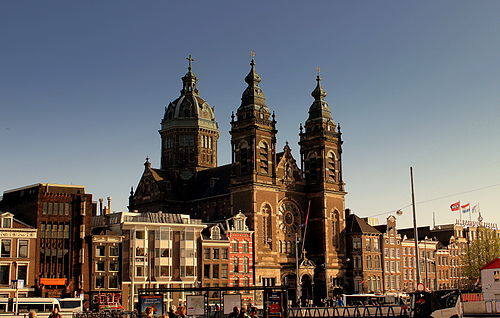
The Basilica of St. Nicholas (Sint-Nicolaasbasiliek) is a stunning Catholic church in Amsterdam, located near Centraal Station. Built in 1887, its Neo-Baroque and Neo-Renaissance architecture, marked by twin towers and a grand central dome, makes it an iconic feature of the city’s skyline.
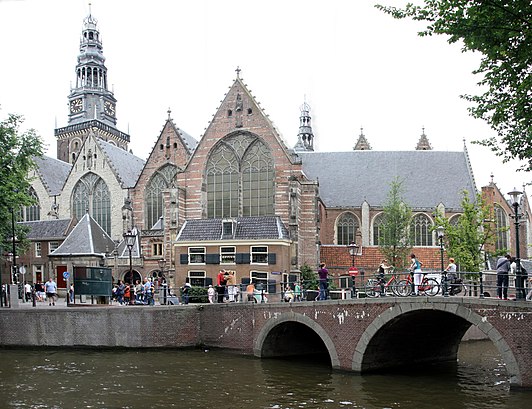
The Oude Kerk, or Old Church, is the oldest and one of the most significant landmarks in Amsterdam, dating back to 1306. Situated in the heart of the Red Light District, this Gothic-style church boasts a stunning wooden vaulted ceiling, intricate stained glass windows, and a rich history that spans centuries.
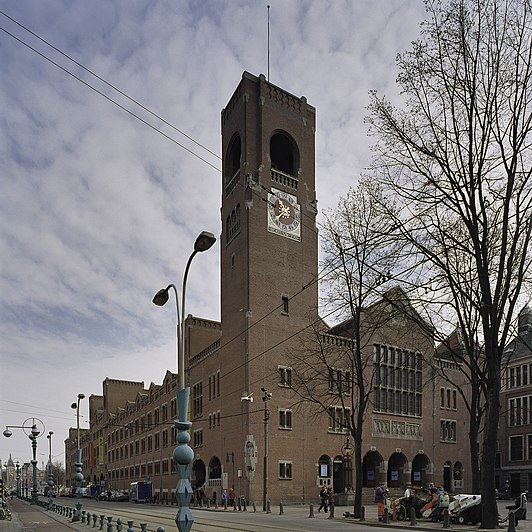
The Beurs van Berlage is a striking example of early 20th-century architecture in Amsterdam, designed by the renowned Dutch architect Hendrik Petrus Berlage. Completed in 1903, this former stock exchange building is a masterpiece of Dutch Rationalism, blending elements of medieval and modernist styles.
The Nieuwe Kerk (New Church) is a striking Gothic landmark in Amsterdam, located on Dam Square. Completed in the 15th century, it is renowned for its impressive architecture, featuring a soaring spire and detailed façade. Though named "New," it predates many other churches in the city.
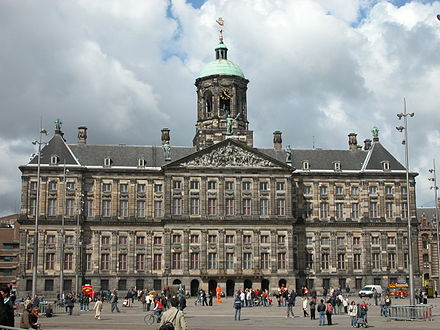
The Koninklijk Paleis (Royal Palace) on Dam Square is a stunning example of 17th-century Dutch Classicism. Originally built as a city hall in the Dutch Golden Age, it was later transformed into a royal residence. Designed by architect Jacob van Campen, its grand architecture features elegant facades, marble interiors, and intricate decorations, showcasing the wealth and power of Amsterdam during its peak.
Amsterdam Centraal Station is a masterpiece of Dutch design and a bustling gateway to the city. Designed by Pierre Cuypers, the architect behind the Rijksmuseum, and completed in 1889, its striking neo-Renaissance architecture is both functional and monumental. Today, it is a bustling, modern transit hub, handling over 250,000 passengers daily. In addition to its train services, Amsterdam Central Station is also a major point for trams, buses, and ferries, making it a central point of access for both locals and visitors.
Built in the 17th century, it was originally established to serve the Lutheran community in a predominantly Calvinist city. The church's striking architecture features a blend of Dutch Renaissance and Baroque styles, with a beautiful interior that includes impressive wooden galleries and a splendid organ.
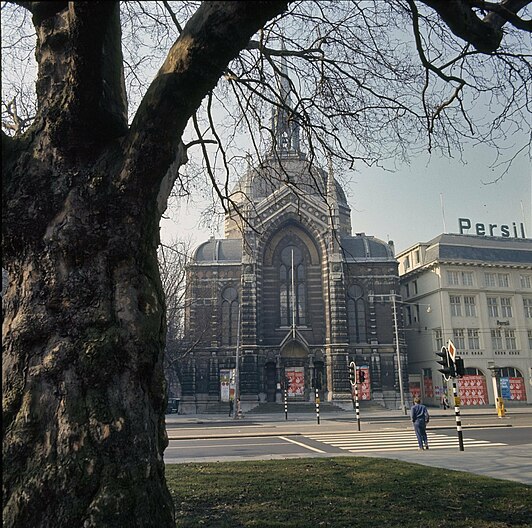
The Koepelkerk, or Koepel Church, is a remarkable landmark in Amsterdam, known for its distinctive domed architecture. Located in the district of Oud-West, the church was completed in 1885 and designed by architect H. M. A. Schouten. Its most striking feature is its large, copper-covered dome, which gives the church its name.
The Posthoornkerk is a striking 17th-century church located in Amsterdam's Haarlemmerbuurt district. Designed by architect Pieter Post, it was completed in 1668 and is a fine example of Dutch Baroque architecture. The church's unique octagonal shape, large windows, and impressive facade make it one of the most distinctive churches in the city.
The Noorderkerk (Northern Church) is a historic Protestant church located in the Jordaan district of Amsterdam. Built between 1620 and 1623, it is one of the city's most prominent examples of early Dutch Renaissance architecture. Characterized by its striking octagonal design and tall, elegant tower, Noorderkerk is notable for its acoustic quality and beautiful wooden interior, including a remarkable organ.
The Westerkerk, completed in 1631, is Amsterdam’s largest Protestant church and a stunning example of Renaissance architecture. Its towering 85-meter spire is one of the city’s most recognizable features, offering sweeping views of the surrounding area. The church is notable for its spacious interior, beautiful woodwork, and historical significance as the burial site of painter Rembrandt.
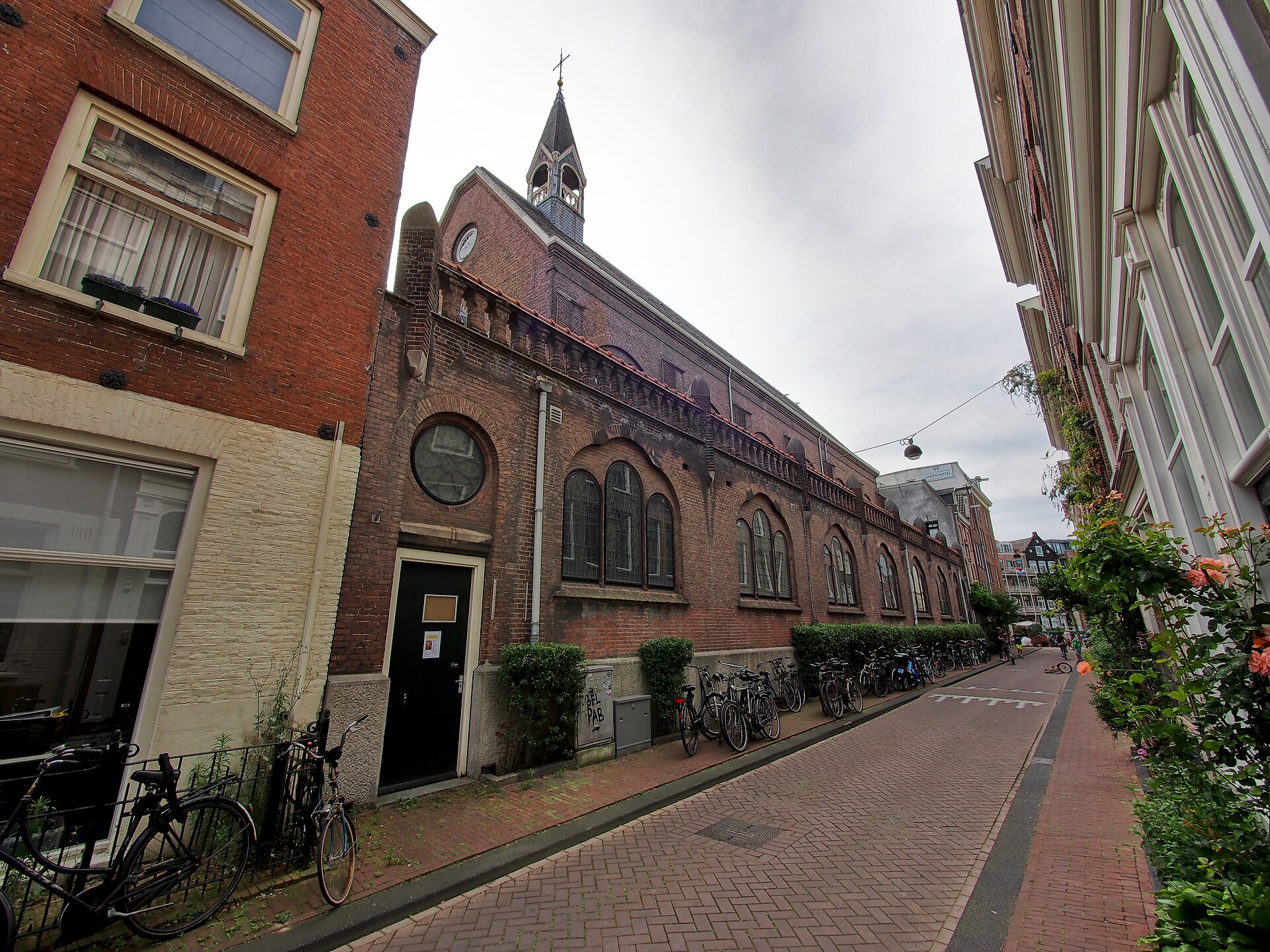
The Orthodox Parochie van de Heilige Nicolaas de Myra (Orthodox Parish of Saint Nicholas the Miracle Worker) is an Eastern Orthodox Christian church located in Amsterdam. It is dedicated to Saint Nicholas, one of the most revered saints in Eastern Christianity, known for his acts of kindness and miracles. The church serves as a spiritual home for the Orthodox Christian community in the Netherlands, particularly for Greek, Russian, and other Orthodox Christians living in the country.
The Bloemgracht Church, located along the picturesque Bloemgracht canal in Amsterdam, is a charming 17th-century church that reflects the city's rich architectural heritage. Originally built in 1663 as a private chapel for the local community, it was later converted into a Reformed Church.
The ISF Mosque (Islamic and Cultural Centre of Amsterdam) is a prominent mosque located in the city, serving as both a place of worship and a community hub for Muslims in Amsterdam. Established to provide spiritual guidance, educational programs, and social services, the mosque is an important institution for the local Muslim community.
The Syrian Orthodox Church in Amsterdam is a significant place of worship for the Syrian Orthodox Christian community in the city. It is part of the broader Syriac Orthodox Church, an ancient Christian tradition with roots in the Middle East, particularly Syria, Iraq, and Turkey. The church in Amsterdam, like others in the Syriac Orthodox tradition, is known for its stunning religious iconography, traditional liturgies, and beautiful church architecture.
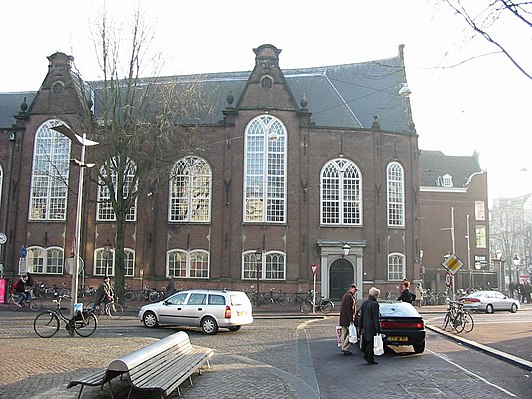
The Oude Lutherse Kerk (Old Lutheran Church) is a historic 17th-century church in Amsterdam, built in 1602 for the city’s Lutheran community. With its elegant brick façade, wooden interior, and large windows, it is a fine example of Dutch Renaissance architecture.
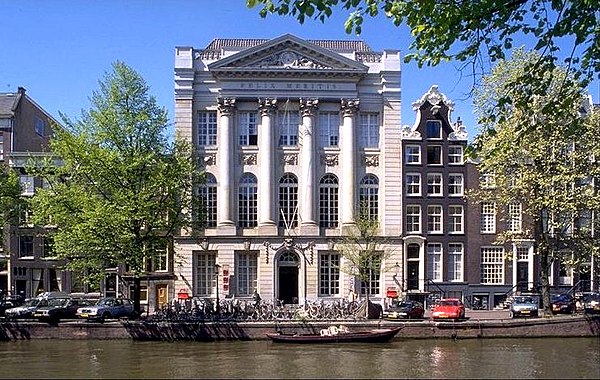
Felix Meritis is a historic building and cultural landmark located on Amsterdam’s Keizersgracht canal. Built in 1788, its name, Latin for "Happiness through Merit," reflects its origins as a society dedicated to arts, sciences, and philosophy. Designed in the Neoclassical style, the building boasts a striking facade and an iconic domed observatory.
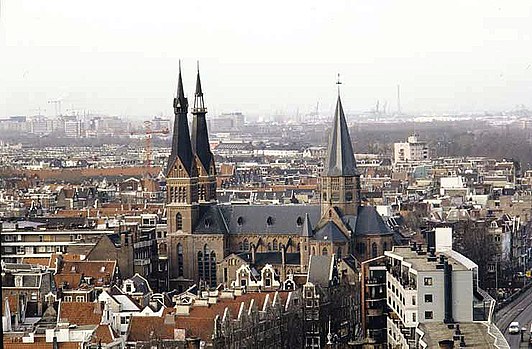
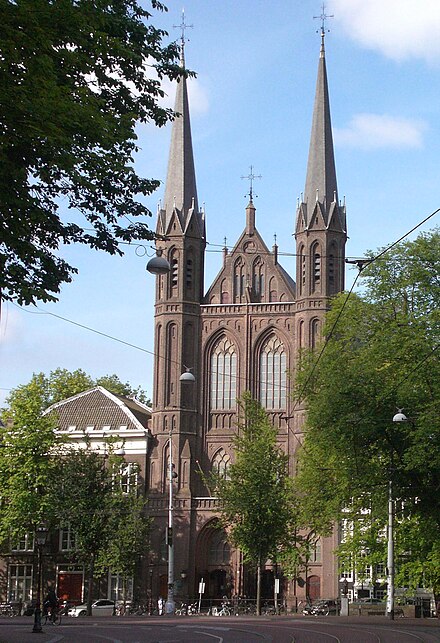
De Krijtberg is a beautiful Catholic church located in the heart of Amsterdam, built in the 19th century in the Neo-Gothic style. Its name, meaning "chalk mountain," refers to the church's location on a rise of land. The church’s striking façade, with its twin towers and intricate stone carvings, makes it one of the city’s most notable religious landmarks.
The Canal Museum (Het Grachtenhuis) in Amsterdam is dedicated to the city’s iconic canal system, which is a UNESCO World Heritage site. Located in a beautiful canal house on the Herengracht, the museum tells the story of the creation, development, and cultural significance of Amsterdam’s canals, which were constructed during the 17th century as part of the city’s expansion in the Golden Age.
The Amsterdam Historic Museum (Amsterdams Historisch Museum) is dedicated to the rich history of Amsterdam, showcasing the city’s evolution from its humble beginnings to its rise as a global centre of commerce, art, and culture. RECENTLY THE COLLECTION HAS BEEN TRANSFERRED TO THE EX-HERMITAGE MUSEUM IN AMSTEL DUE TO RECONSTRUCTION OF ITS BUILDING.
Madame Tussauds Amsterdam is a popular wax museum located in the heart of the city, on the Dam Square. Part of the globally recognised Madame Tussauds chain, the museum features lifelike wax figures of celebrities, historical figures, and cultural icons from around the world.
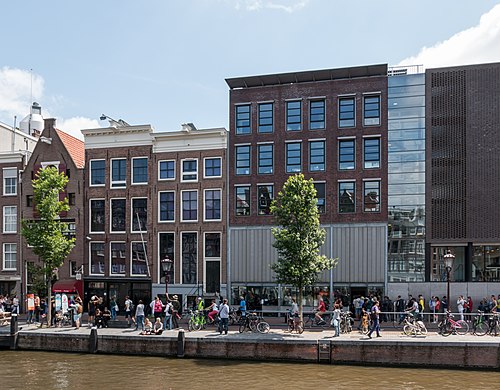
The Anne Frank House (Anne Frank Museum) in Amsterdam is a deeply moving museum dedicated to the life and legacy of Anne Frank, a Jewish girl who wrote a famous diary while hiding from the Nazis during World War II. The museum is located in the actual building where Anne and her family hid for over two years. Visiting the Anne Frank House is a powerful and educational experience, making it one of Amsterdam’s most significant historical sites.

The Westermarkt area is a picturesque and historic neighbourhood located in Amsterdam’s Jordaan district, near the western edge of the canal belt. Centered around the iconic Westerkerk, a magnificent 17th-century Protestant church with one of the tallest towers in the city, the area is closely connected to Amsterdam’s Golden Age history.

Adjacent to the square lies the Anne Frank House, one of the city’s most visited museums, where Anne Frank and her family hid during World War II. The neighbourhood is characterised by narrow canals, traditional merchant houses, boutique shops, cafés, and lively street markets, creating a warm and authentic Amsterdam atmosphere. Popular with both locals and visitors, the Westermarkt area combines historic significance, cultural heritage, and the charming character of the Jordaan district.

ΕΓΓΡΑΦΗ ΣΤΗΝ ΠΛΑΤΦΟΡΜΑ
TN_LOGOTEXT_2023 Maps © 2026 TerraNaviga.com
imb_logo_23 Development © 2026 imb.gr
COPYRIGHT / INTELLECTUAL PROPERTY (IP) NOTICE: All content, including maps, illustrations, designs, and related materials, constitutes the exclusive intellectual property of Epameinondas Kaiafas Terra Naviga and is protected under Greek and international copyright and intellectual property laws. Any unauthorised use, reproduction, distribution, or adaptation of these materials without express written consent is strictly prohibited. Terra Naviga reserves the right to take full legal action against any infringement, including claims for financial compensation and prosecution under applicable laws.
INFO
SELECT CATEGORY
CHOOSE ITEM
- MUSEUMS
HOVER OVER ICON
LINK TO OFFICIAL WEBSITE