Monuments
MUSEUMS
MUSIC HALLS
THEATERS
SELECT CATEGORY
SELECT LOCATION
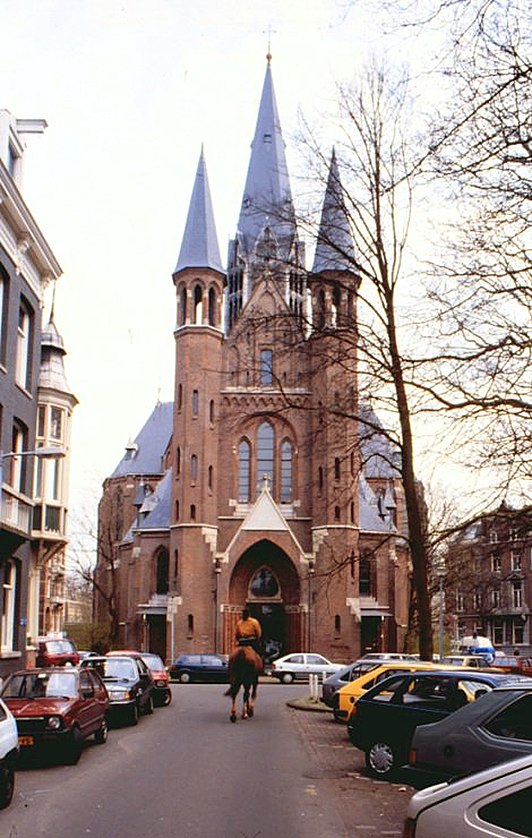
The Vondelkerk is a striking church located near Vondelpark in Amsterdam, originally built in 1880 in the neo-Gothic style. Designed by architect J. H. L. Tieleman, the church’s tall spire, intricate brickwork, and large arched windows make it a notable example of 19th-century religious architecture in the city.
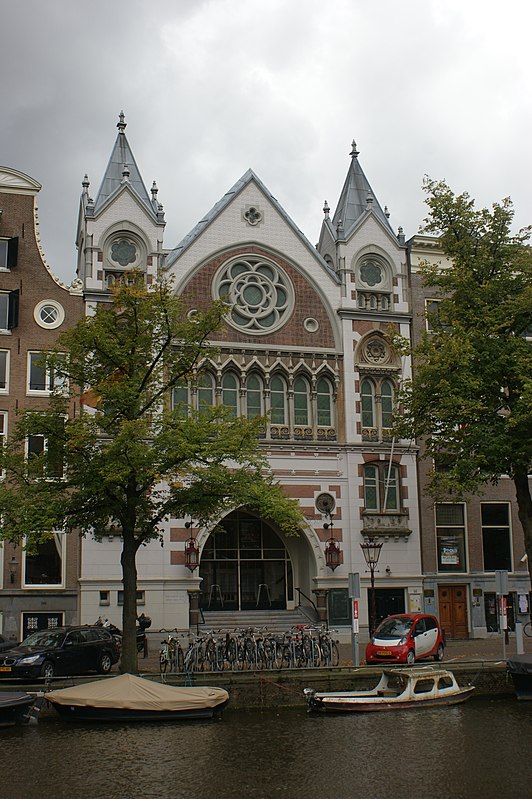
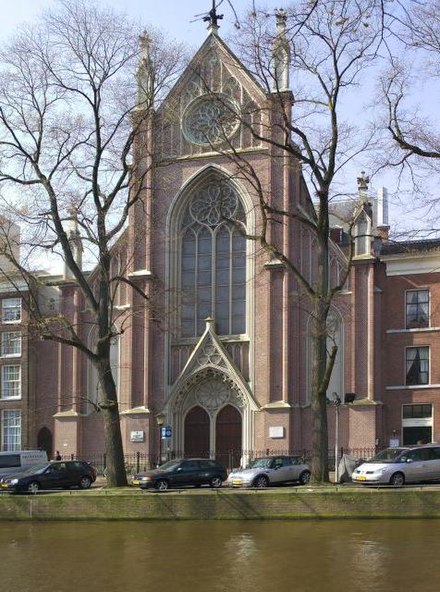
Keizersgrachtkerk is a historic Protestant church located along the picturesque Keizersgracht canal in Amsterdam, Netherlands. This charming church, with its classic Dutch architecture, serves as a vibrant spiritual and cultural hub for the community. Established in the 19th century, it is known for its warm and welcoming atmosphere, offering regular worship services, music performances, and community events.
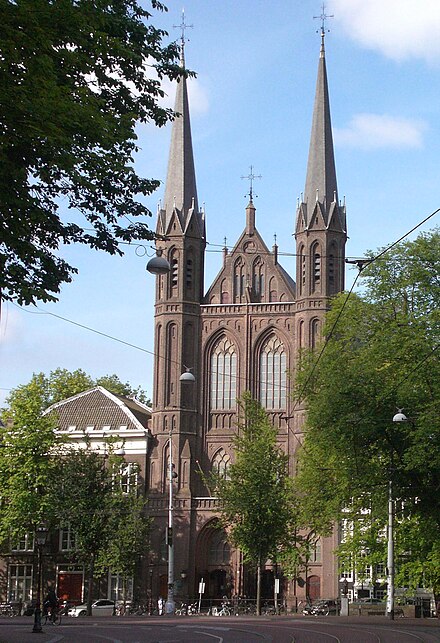
De Krijtberg is a beautiful Catholic church located in the heart of Amsterdam, built in the 19th century in the Neo-Gothic style. Its name, meaning "chalk mountain," refers to the church's location on a rise of land. The church’s striking façade, with its twin towers and intricate stone carvings, makes it one of the city’s most notable religious landmarks.
The Amstelkerk is a charming church located along the Amstel River in Amsterdam, originally built in 1668 as a meeting hall for the city's Reformed Church. Its unique round design, rare for churches of that era, was the work of architect Philip Vingboons and makes it an architectural gem.
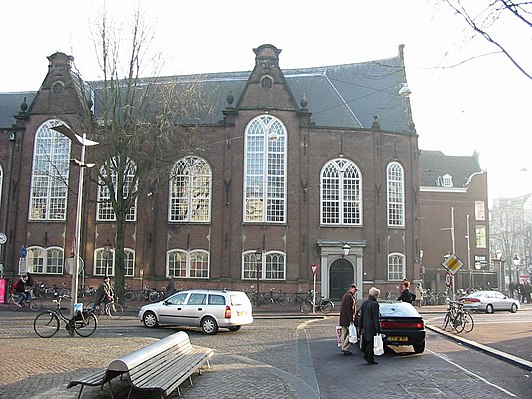
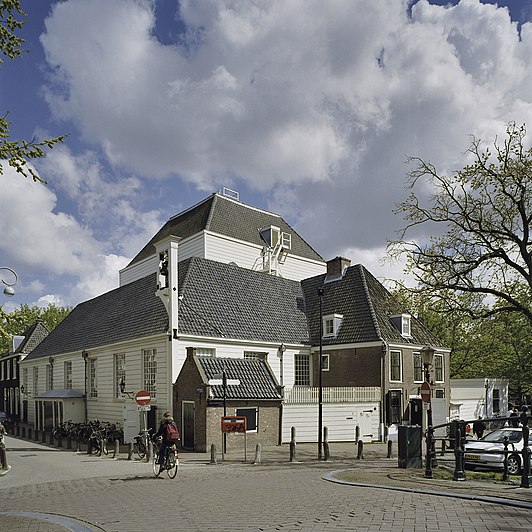
The Oude Lutherse Kerk (Old Lutheran Church) is a historic 17th-century church in Amsterdam, built in 1602 for the city’s Lutheran community. With its elegant brick façade, wooden interior, and large windows, it is a fine example of Dutch Renaissance architecture.
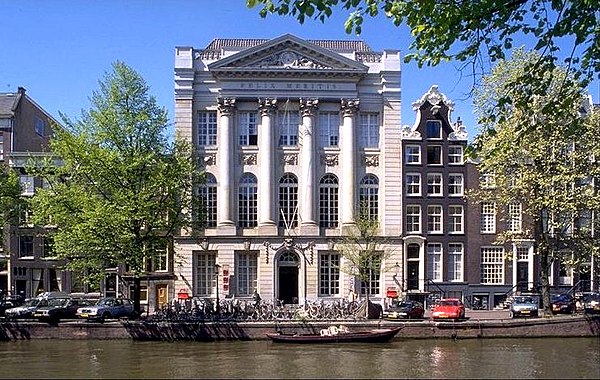
Felix Meritis is a historic building and cultural landmark located on Amsterdam’s Keizersgracht canal. Built in 1788, its name, Latin for "Happiness through Merit," reflects its origins as a society dedicated to arts, sciences, and philosophy. Designed in the Neoclassical style, the building boasts a striking facade and an iconic domed observatory.
The Syrian Orthodox Church in Amsterdam is a significant place of worship for the Syrian Orthodox Christian community in the city. It is part of the broader Syriac Orthodox Church, an ancient Christian tradition with roots in the Middle East, particularly Syria, Iraq, and Turkey. The church is known for its stunning religious iconography, traditional liturgies, and beautiful church architecture.
The Munttoren, or Mint Tower, is a historic landmark in Amsterdam that gracefully combines medieval charm with Renaissance flair. Originally part of the city’s medieval walls, it was reconstructed in the 17th century after a fire, gaining its elegant octagonal tower and distinctive clock.
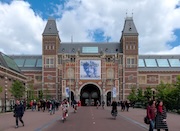
The Rijksmuseum in Amsterdam stands as a beacon of Dutch art and history, renowned for its stunning Gothic Revival architecture and unparalleled collections. It showcases masterpieces from the Dutch Golden Age, including Rembrandt’s The Night Watch and Vermeer’s The Milkmaid, alongside thousands of artifacts that narrate centuries of cultural heritage.
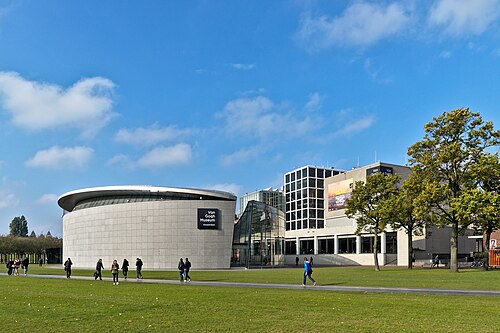
The Van Gogh Museum located in the Museumplein, houses the world’s largest collection of Van Gogh’s paintings, drawings, and letters, offering a comprehensive look into his artistic journey and personal struggles. Highlights of the collection include famous works such as The Sunflowers, The Bedroom, and Wheatfield with Crows. In addition to Van Gogh’s work, the museum also features pieces from artists who influenced him, such as Paul Gauguin and Georges Seurat.
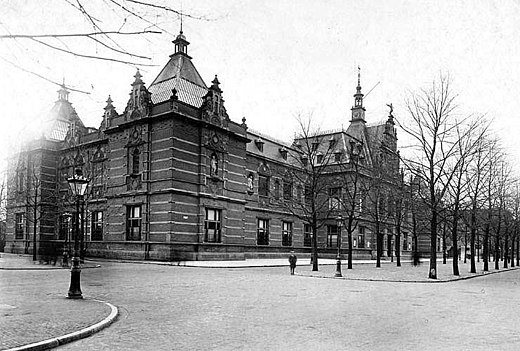
The Stedelijk Museum in Amsterdam is one of the city's most important museums, showcasing modern and contemporary art. Founded in 1874, it is renowned for its extensive collection of works from major artists of the 20th and 21st centuries, including pieces by Piet Mondrian, Kazimir Malevich, and Andy Warhol. The museum’s collection spans painting, sculpture, design, and multimedia art.
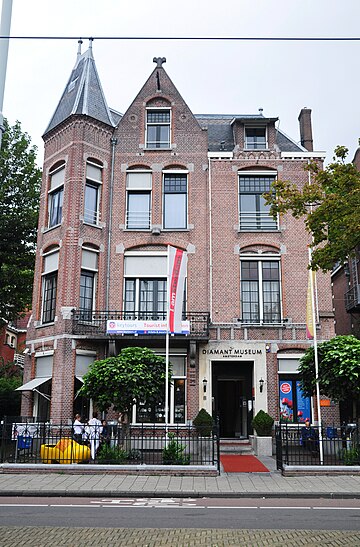
The Diamond Museum in Amsterdam is dedicated to the history, craftsmanship, and cultural significance of diamonds. Located in the Museumplein area, it offers visitors a comprehensive look into the world of diamonds, from their formation deep within the Earth to their role in jewellery and art.
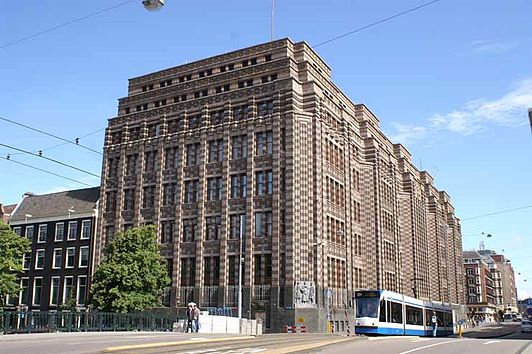
The Gemeente Archief (City Archives) in Amsterdam is a key institution for preserving the city’s historical records and documents. It holds an extensive collection of archives related to Amsterdam's history, including maps, photographs, official documents, and personal records that date back centuries.
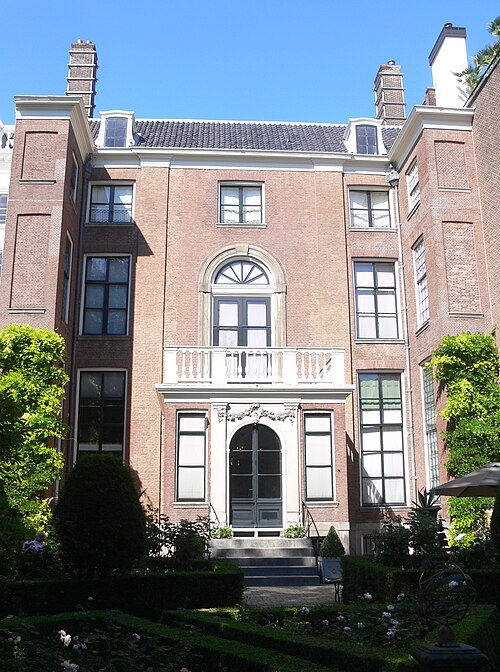
The Van Loon Museum in Amsterdam is a historic canal house turned museum, showcasing the history of the Van Loon family and the opulent lifestyle of 17th-century Amsterdam's elite. Located on the Keizersgracht, the museum offers a glimpse into the city's Golden Age with its beautifully preserved interiors, including period furnishings, fine art, and personal artifacts belonging to the Van Loon family.
The Amsterdam Historic Museum (Amsterdams Historisch Museum) is dedicated to the rich history of Amsterdam, showcasing the city’s evolution from its humble beginnings to its rise as a global center of commerce, art, and culture. Exhibits cover a wide range of topics, including the city's founding, its role in the Dutch Golden Age, and the cultural and social changes over the centuries. DUE TO RECONSTRUCTION OF THE BUILDING YOU CAN FIND THE COLLECTION IN AMSTERDAM MUSEUM AT THE AMSTEL ( EX - HERMITAGE MUSEUM ).
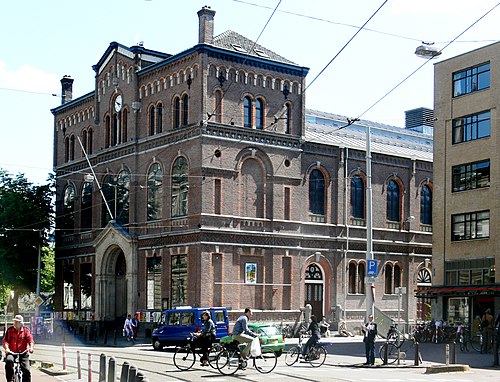
The Allard Pierson Museum in Amsterdam is dedicated to the history of ancient civilizations. It is the city’s primary museum for archaeology, housing a remarkable collection of artifacts from ancient Egypt, Greece, Rome, and the Near East. The museum is named after Allard Pierson, a Dutch scholar and collector who contributed greatly to the preservation and study of ancient artefacts.
The Canal Museum (Het Grachtenhuis) in Amsterdam is dedicated to the city’s iconic canal system, which is a UNESCO World Heritage site. Located in a beautiful canal house on the Herengracht, the museum tells the story of the creation, development, and cultural significance of Amsterdam’s canals, which were constructed during the 17th century as part of the city’s expansion in the Golden Age.
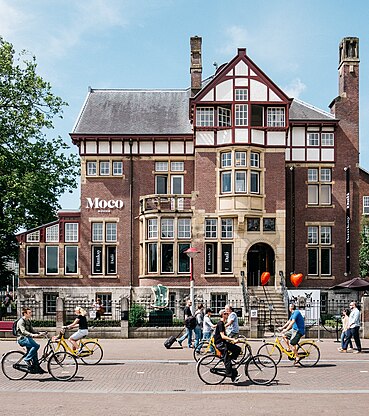
The Moco Museum in Amsterdam is a contemporary art museum located in the city’s Museumplein, showcasing a diverse collection of modern and street art. Known for its unconventional exhibitions, Moco focuses on works from iconic and contemporary artists, such as Banksy, Salvador Dalí, and Andy Warhol.
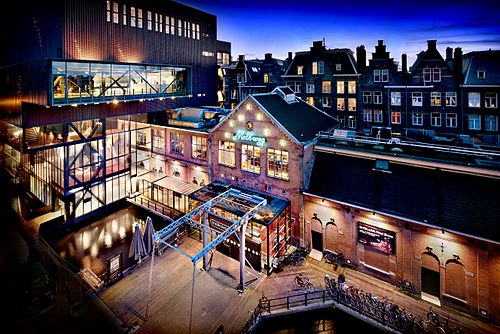
Paradiso is one of Amsterdam’s most iconic music venues, housed in a former 19th-century church near Leidseplein. Since its transformation in 1968, Paradiso has become a cultural hub, renowned for its intimate atmosphere and eclectic programming. Its high arched ceilings, stained glass windows, and balcony seating create a unique blend of historical charm and modern energy.
De Melkweg, meaning "The Milky Way," is one of Amsterdam’s most renowned cultural venues, located near Leidseplein in a former milk factory. Since opening in 1970, it has grown into a dynamic hotspot for music, art, film, and theater. De Melkweg hosts concerts spanning genres from rock and electronic to hip-hop and indie, alongside film screenings, art exhibitions, and dance performances.
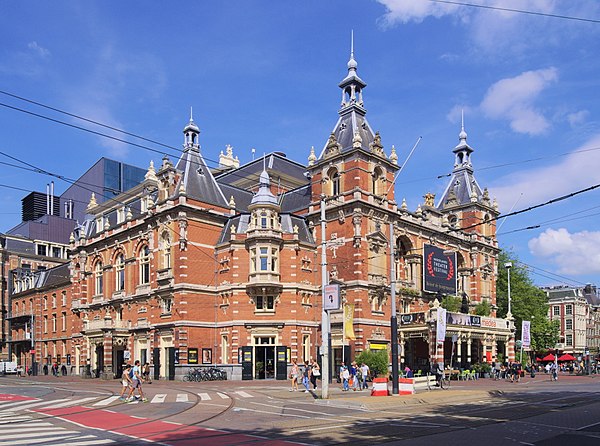
Stadsschouwburg Amsterdam is one of the city's most iconic cultural venues, located in the heart of Amsterdam. Opened in 1894, this historic theatre is known for its striking architecture, blending Neo-Renaissance and modern styles. Stadsschouwburg Amsterdam has been a symbol of the city's artistic heritage for over a century, offering a rich cultural experience to both locals and visitors.
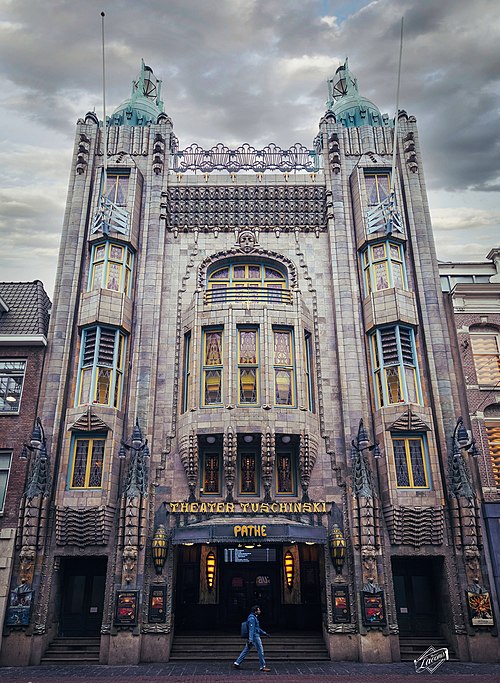
The Tuschinski Theater in Amsterdam is a stunning Art Deco masterpiece, known for its opulent design and rich history. Opened in 1921, it was created by the visionary Jewish entrepreneur Abraham Tuschinski, who aimed to bring a unique cinematic experience to the city. The theater’s lavish interior features a blend of Oriental, Moorish, and Art Nouveau influences, with intricate details, ornate chandeliers, and a striking auditorium that transports visitors back to the golden age of cinema.

Museumplein is Amsterdam’s premier cultural district, located in the southern part of the city centre between the elegant Oud-Zuid neighbourhood and Vondelpark. The spacious square is surrounded by some of the Netherlands’ most important museums, including the Rijksmuseum, the Van Gogh Museum, the Stedelijk Museum, and the Moco Museum, making it one of the world’s leading destinations for art and culture.

Originally developed in the late 19th century as part of Amsterdam’s urban expansion, the area combines grand architecture, landscaped gardens, reflecting pools, and open public spaces used for exhibitions, festivals, and cultural events. The district is also known for its luxury shopping streets, cafés, and nearby concert venues such as the Royal Concertgebouw. Blending world-class art, history, and elegant city life, Museumplein represents the cultural heart of Amsterdam.

ΕΓΓΡΑΦΗ ΣΤΗΝ ΠΛΑΤΦΟΡΜΑ
TN_LOGOTEXT_2023 Maps © 2026 TerraNaviga.com
imb_logo_23 Development © 2026 imb.gr
COPYRIGHT / INTELLECTUAL PROPERTY (IP) NOTICE: All content, including maps, illustrations, designs, and related materials, constitutes the exclusive intellectual property of Epameinondas Kaiafas Terra Naviga and is protected under Greek and international copyright and intellectual property laws. Any unauthorised use, reproduction, distribution, or adaptation of these materials without express written consent is strictly prohibited. Terra Naviga reserves the right to take full legal action against any infringement, including claims for financial compensation and prosecution under applicable laws.
INFO
SELECT CATEGORY
CHOOSE ITEM
- MUSEUMS
HOVER OVER ICON
LINK TO OFFICIAL WEBSITE